
A fleet vehicle may only need a few minutes at the pump, but the full fueling trip takes longer. The driver leaves the normal route or yard, travels to a station, waits if pumps are occupied, fuels the vehicle, records the purchase, and gets back to work. When that happens across dozens of vehicles each week, fueling becomes an operating issue rather than a simple purchase.
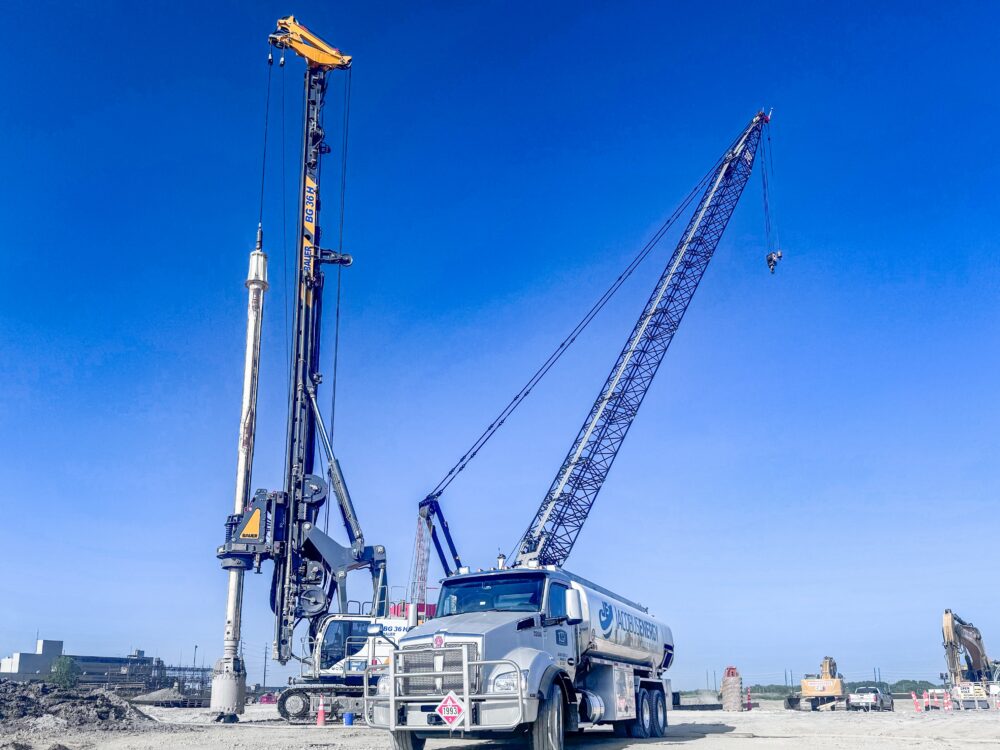
Gasoline delivery moves that process to the vehicles and equipment. Jacobus Energy brings gasoline directly to commercial fleets, equipment, generators, and on-site tanks in markets throughout the United States. Deliveries can be scheduled during operational downtime, allowing units to be fueled before the next shift instead of sending drivers to retail stations during the workday.
For fleet managers balancing routes, vehicle availability, fuel records, and changing demand, mobile fueling creates a more controlled way to handle gasoline use across an operation.
When Does Gasoline Delivery Make Sense?
Gasoline delivery becomes especially useful when many units regularly return to the same yard, terminal, facility, or work site. Instead of treating every tank as a separate driver responsibility, a business can schedule fuel to come directly to those units.
Consider a service fleet that returns to its terminal each evening. If 25 gasoline-powered vans each need a station visit during the week, those trips create 25 separate fueling tasks. Some may happen before routes. Others may happen during the day because fuel levels were not checked the night before.
Direct-to-unit fueling changes the sequence. Vehicles can be fueled while they are already parked, reducing the need to build retail fuel stops into routes or dispatch schedules.
The same concept applies beyond fleet vehicles. Gasoline-powered equipment may stay at one property or work site for several days. Generators may also be positioned where taking the unit somewhere else for fuel is impractical. Bringing fuel to the operating location keeps replenishment separate from the movement of the equipment itself.
Generators Need a Different Fueling Plan Than Vehicles
A fleet vehicle has a predictable fuel tank and usually follows a repeatable operating schedule. Generator use can be less predictable.
A generator may operate for a short planned period, remain available as backup equipment, or run for extended periods when site conditions change. That means the person managing fuel needs to think about more than whether the tank is full today. Expected runtime, tank capacity, fuel consumption, access to the unit, and the timing of the next delivery all matter.
This becomes particularly important during severe weather or other disruptions. Jacobus Energy provides emergency response fueling for generators and other equipment when normal fuel access is affected.
For planned generator use, the better time to think about refueling is before the unit reaches a low-fuel situation. Building gasoline replenishment into the operating plan gives managers a clearer picture of when fuel will be needed and where the delivery must occur.
Equipment Fueling Is Often a Logistics Question
Gasoline-powered equipment presents a different challenge. The amount of fuel used by an individual unit may be smaller than a highway vehicle, but getting that fuel to equipment can still require employee time, portable containers, or equipment movement.
That creates a basic operational question: Does it make sense to move the equipment to the fuel, or bring fuel to the equipment?
For equipment that stays at a work site, facility, farm, or other operating location, direct fueling can remove an unnecessary movement. Jacobus Energy can deliver directly to equipment as part of its commercial fuel services.
Usage can also change throughout a project. One week may involve steady equipment operation while another requires only occasional use. Fuel planning should reflect those changes rather than relying on the same quantity simply because that was the previous delivery.
That is one reason unit-level fuel information matters. Managers need to know what is actually consuming gasoline before they can make better decisions about delivery frequency and fuel quantities.
What Changes When an Entire Fleet Is Fueled at the Yard?
Fleet fueling is different from filling one company vehicle. Every extra fueling stop gets multiplied across the number of drivers and units in the operation.
For example, a fleet manager may oversee gasoline-powered vans that leave the terminal early each morning. Sending drivers to retail stations can introduce several variables before the first scheduled stop, including station location, traffic, pump availability, and how much fuel each driver decides to purchase.
Jacobus Energy’s transportation fleets service allows units to be fueled at the terminal during downtime. Fleet managers set the schedule, and fuel is delivered directly to the units.
This can be particularly useful for operations where departure times matter. A vehicle that begins the day fueled and ready to leave does not need its first task to be finding a gas station.
The U.S. Department of Energy also recommends looking at fuel consumption, vehicle use, idling, and other operating factors as part of broader fleet management. Fuel purchasing is only one part of the equation. How fuel is consumed and how much work goes into obtaining it also affect fleet operations.
Mixed Fleets Make Fuel Management More Complicated
Many commercial fleets are not gasoline-only operations. The same yard may contain gasoline vehicles, diesel trucks, equipment, and units that also require diesel exhaust fluid.
That mix can make fuel management harder because the manager is tracking several products across different units. Jacobus Energy supplies on-road diesel, off-road diesel, gasoline, DEF, and seasonal blended diesel fuel through its mobile delivery program.
This allows a fleet manager to look at fueling across the operation rather than treating gasoline vehicles as one process, diesel equipment as another, and storage tanks as an unrelated task.
Product accuracy also matters when several types of fuel are being delivered. Jacobus Energy’s computerized delivery process uses barcodes assigned to individual units and tanks. Drivers scan the barcode before fueling, and the system uses unit information such as product type and tank size as part of the delivery process.
For a mixed fleet, that creates a more structured process than relying on a driver to remember which unit takes which product.
Fuel Records Should Tell You More Than What Was Spent
A credit card total tells a manager what fuel cost. It does not always provide the clearest picture of which unit received the fuel, how much was delivered to that unit, or how fueling patterns are changing across the fleet.
Jacobus Energy records transaction information through its delivery system. Customers can access fueling data through the QuickNet online customer portal, where they can view transactions, add or remove units, request deliveries, and manage account activity.
Unit-level information becomes more useful as a fleet grows. If one vehicle begins consuming more fuel than comparable units, or a group of vehicles starts requiring more frequent deliveries, the manager has data that can help identify the pattern.
Fuel records can also help with planning. Historical use provides a starting point for estimating future delivery needs, especially when the manager also accounts for route changes, seasonal volume, new vehicles, and changes in operating hours.
Should Every Business Switch to On-Site Fueling?
Not necessarily. A business with one or two vehicles and low gasoline use may find retail fueling works well for its operation.
The calculation changes as vehicle count, fuel volume, equipment use, and fueling frequency increase.
A fleet manager considering direct delivery should look at how many gasoline-powered units are being fueled, how often employees visit stations, how far those stations are from normal routes, when vehicles are parked together, and whether managers need better unit-level fuel reporting.
Those questions reveal the actual cost of the current process. The price displayed on a gas station sign is only one number. The time and vehicle movement required to obtain that fuel are separate operating factors.
Put Gasoline Delivery Into the Operating Schedule
Gasoline delivery works best when it becomes part of normal fleet planning rather than a response to nearly empty tanks. Knowing which vehicles, generators, and equipment need fuel allows deliveries to be coordinated around the periods when those units are already available.
Jacobus Energy provides gasoline delivery for commercial fleets, equipment, generators, and on-site tanks throughout its service markets. Fuel can be delivered directly to units during scheduled downtime, while barcode-based delivery records and the QuickNet customer portal give managers greater visibility into fueling activity.
If retail station trips are taking drivers away from routes, equipment needs fuel at the work site, or generator fueling has become another recurring task to manage, contact Jacobus Energy to discuss a mobile fueling program built around your operating schedule.