A last-mile driver arrives at the terminal with a full delivery schedule and a vehicle that still needs fuel. The nearest retail station may be only a few miles away, but the stop adds drive time, waiting, and another task before the first delivery.
For delivery operations nationwide, those delays can affect departure times and route planning across an entire fleet. Jacobus Energy provides mobile fuel delivery that moves refueling out of the driver’s workday and into planned fleet downtime.
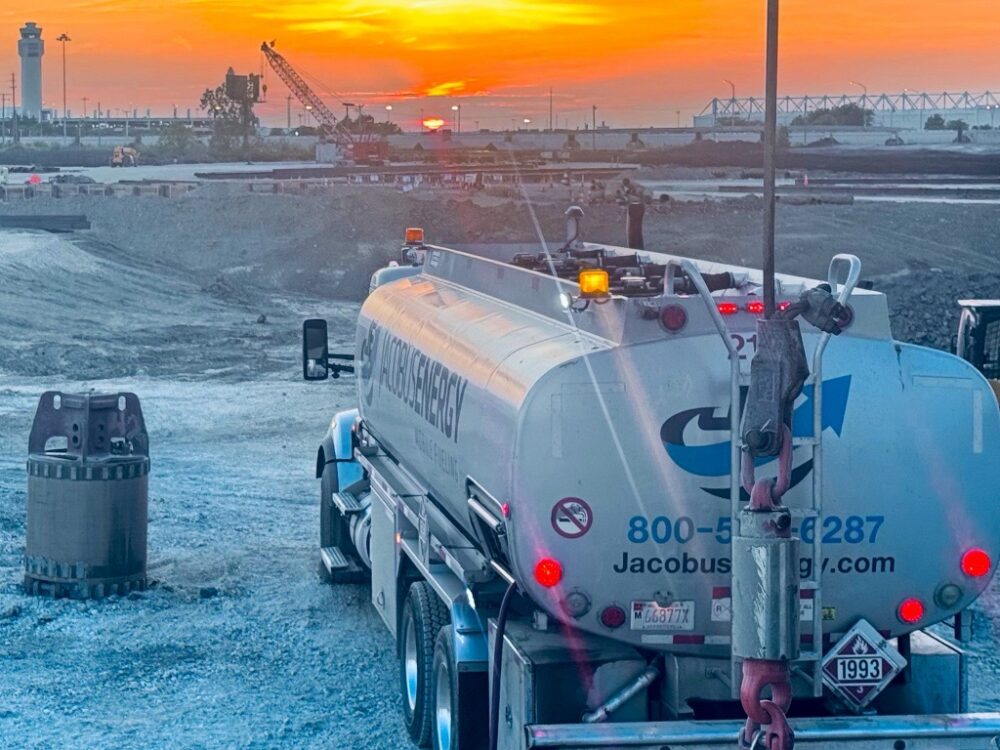
Fleet fueling services bring gasoline, diesel, and other needed products directly to fleet vehicles at a terminal or operating yard. Vehicles can be fueled while parked, allowing drivers to begin their routes without first visiting a retail station. This can reduce out-of-route travel, simplify fuel reporting, and support more consistent dispatch times.
How Fleet Fueling Services Protect Tight Delivery Routes
Last-mile routes are built around narrow delivery windows, high stop counts, and expected arrival times. A fueling stop that takes longer than planned can affect the rest of the route, especially in congested urban and suburban areas. Mobile fueling allows fuel to be delivered directly to parked vehicles during scheduled downtime. When drivers arrive, their vans, box trucks, or other delivery vehicles are ready for dispatch.
This method also removes several variables from the morning routine. Drivers do not need to locate an approved station, wait for an open pump, complete a fuel card transaction, or return to the planned route. Fleet managers gain a more consistent fueling process without adding another stop to each driver’s schedule. The value becomes more noticeable as fleet size grows. A short fuel stop for one vehicle may seem manageable. The same stop repeated across dozens of vehicles can represent a significant amount of driver time and out-of-route mileage.
Mobile Fueling vs. Retail Fuel Stops
Retail fueling may work well for small fleets with flexible schedules, low daily mileage, or vehicles that do not return to one location. Drivers can purchase fuel as needed without setting up a recurring delivery program.
Mobile fueling is often a better fit when many vehicles return to the same terminal and leave within a limited dispatch window. Jacobus Energy can fuel individual units during off-hours based on the fleet’s schedule and expected usage.
Fuel cards can help managers track retail purchases, but drivers still need to leave their routes or stop before dispatch. Mobile fueling moves the transaction to the operating yard and records fuel by vehicle.
A permanent on-site tank is another option for fleets with enough space, fuel volume, and internal resources to manage storage. However, on-site tanks may involve equipment, inspections, site controls, and local requirements. Mobile delivery gives fleets access to fuel at their location without requiring every business to install its own bulk storage system.
When This Matters for Last-Mile Fleets
Fleet fueling services are most useful when fueling delays create a measurable operating problem. This often includes fleets with early departures, dense delivery routes, strict customer windows, or a large number of vehicles leaving from one terminal.
Common users include:
- Parcel and courier fleets
- Food and beverage delivery companies
- Grocery distribution operations
- Pharmacy and medical supply fleets
- Auto parts delivery services
- Retail replenishment fleets
- Uniform and facility service vehicles
The U.S. Department of Energy recognizes delivery vehicles as a distinct fleet application because these vehicles are selected and operated for specific commercial functions. Fleet managers can review current delivery vehicle data when evaluating equipment and fuel strategies.
Regional conditions can also affect the need for planned fueling. Heavy traffic can make retail detours less predictable in major metro areas. Cold-weather markets may require seasonally appropriate diesel products. High-volume holiday periods can create earlier dispatches, longer routes, and less room for unplanned stops.
Mobile fueling may be less practical for a very small fleet, vehicles that rarely return to a shared yard, or locations without suitable delivery access. A review of fleet size, fuel volume, parking layout, and operating schedule can help determine whether the service makes financial and operational sense.
What Should Fleet Managers Review Before Starting?
A successful fueling program begins with accurate operating information. Fleet managers should review how many vehicles need fuel, where they are parked, when they return, and how much fuel they typically use.
Important planning details include:
- Vehicle and equipment count
- Gasoline, diesel, and DEF needs
- Average gallons per delivery
- Arrival and departure windows
- Overnight property access
- Vehicle parking patterns
- Seasonal route changes
- Reporting and invoice requirements
Jacobus Energy’s transportation fueling process uses barcode-based vehicle identification to record deliveries by unit. Fueling data can then be reviewed through the QuickNet customer portal, giving managers access to transaction details and account information.
Fleet needs can change during peak seasons, expansion, or route restructuring. Reviewing available fuel service options can help managers account for diesel, gasoline, DEF, seasonal blends, tank monitoring, and related fuel needs within one program.
Keep Last-Mile Vehicles Ready Before Dispatch
For delivery companies operating nationwide, reliable dispatch starts before drivers enter their vehicles. Fleet fueling services can remove retail station visits from tight routes, reduce unnecessary mileage, and give managers clearer fuel records by unit.
Jacobus Energy brings fuel directly to delivery fleets during scheduled downtime. Contact us to discuss your vehicle count, operating hours, fuel usage, and terminal layout so we can help you determine whether mobile fueling fits your routes.