
A fleet manager can do everything right and still feel pressure from fuel costs. Trucks need to stay on the road, job sites need equipment ready, and service routes cannot slow down because fuel planning has become complicated. For businesses across the U.S., wholesale fuel delivery can help bring more control to a cost that changes often.
At Jacobus Energy, we work with fleets, contractors, facilities, municipalities, and other businesses that need a dependable fuel supply. Pricing in a fuel agreement is not based on one simple number. It can be shaped by fuel type, delivery schedule, gallons used, location, seasonal needs, reporting needs, and the way your operation uses fuel day to day.
What Impacts Wholesale Fuel Delivery Pricing?
Wholesale fuel delivery pricing is affected by fuel volume, fuel type, delivery frequency, location, market conditions, service needs, and contract terms. A business that uses steady fuel volumes and has a planned delivery schedule may have different pricing than a company that needs urgent or irregular deliveries. The right agreement should help reduce delays, improve fuel tracking, and give your team better control over fuel costs.
Why Fuel Volume Changes the Price Conversation
Fuel volume is one of the biggest factors in a wholesale fuel delivery agreement. A company that uses thousands of gallons regularly often has different pricing needs than a smaller operation with fluctuating fuel demand. Higher, more predictable usage can make it easier to plan deliveries, manage supply, and build a clear fuel program.
Volume also matters because fuel delivery is tied to route planning, labor, equipment, and timing. When deliveries can be scheduled in a steady pattern, the fueling program may become more efficient for everyone involved. That efficiency can support better cost control over time.
For fleet managers, the key is not always buying the most fuel at once. It is understanding how much fuel your operation actually uses, when it uses it, and where that fuel needs to go. Clear usage data helps us build a fuel plan that fits the way your fleet works.
How Fuel Type and Seasonal Needs Affect Costs
Different fuels come with different pricing factors. On-road diesel, off-road diesel, gasoline, diesel exhaust fluid, and seasonal blended fuels can each have their own supply and handling needs. If your fleet uses more than one fuel type, your agreement should account for that from the start.
Seasonal fuel needs can also impact pricing. In colder regions, winterized or seasonally blended diesel may be needed to help equipment and vehicles run properly. In warmer markets, fuel demand may rise during busy construction, landscaping, agricultural, or logistics seasons.
A good fuel agreement looks at more than the current month. It considers what changes during peak seasons, cold snaps, storm response periods, and high-demand work cycles. That planning can help reduce last-minute fuel problems and support smoother budgeting.
Why Delivery Frequency and Service Windows Matter
Fuel delivery pricing is also shaped by how often your business needs fuel and when those deliveries need to happen. Some fleets need daily or weekly fueling. Others need bulk deliveries to tanks, job sites, or facilities on a set schedule. Some operations need after-hours fueling so drivers can start the day with full tanks.
Service windows matter because timing affects route planning, driver availability, and operational coordination. A delivery program that fits your fleet schedule can reduce downtime and help your team avoid long stops at retail fuel stations. This can be especially valuable for long-haul trucking, food and beverage fleets, school buses, waste management vehicles, construction equipment haulers, and similar operations.
Mobile fuel delivery can also support businesses with multiple locations or moving job sites. When fuel goes where your vehicles and equipment already are, your team can spend less time managing refueling trips and more time staying productive.
Wholesale Fuel Delivery vs. Traditional Refueling
Traditional refueling often sends drivers to public fuel stations or cardlock sites. This may work for smaller teams or flexible schedules, but it can create hidden costs for larger fleets. Time spent driving to fuel, waiting at pumps, tracking receipts, and managing inconsistent fueling habits can add up quickly.
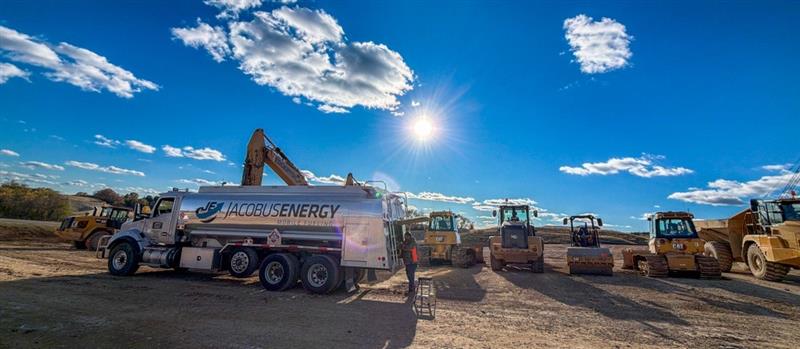
Wholesale fuel delivery brings fuel directly to the business, fleet yard, job site, or equipment location. This can help reduce lost time, improve recordkeeping, and give fleet managers a clearer view of fuel use. It may also support better planning when paired with reporting tools, tank monitoring, or a customer portal.
Traditional refueling may still make sense for companies with very low fuel usage or vehicles that travel in unpredictable routes every day. Wholesale delivery is often stronger for operations that need consistent fuel access, better oversight, and a more organized way to manage fuel costs.
When This Matters Most for Your Operation
Pricing matters most when fuel is a major part of your operating budget. If your team manages a large fleet, runs equipment across job sites, or handles time-sensitive deliveries, fuel planning can affect productivity as much as cost. A fuel agreement should help answer when fuel is needed, how much is needed, and how the delivery process will support the work.
This is especially important during busy seasons, severe weather, emergency response, construction deadlines, agricultural demand, and high-mileage fleet operations. It may also matter when your business is expanding into new markets or adding more vehicles.
Wholesale fuel delivery may not be the best fit for every company. A very small fleet with low fuel usage may not need the same level of delivery planning. But for businesses that need reliability, clean reporting, and better fuel control, it can be a practical way to manage both cost and operations.
Who Benefits From a Structured Fuel Agreement?
Fleet managers benefit when they need a clearer picture of fuel spending and usage. Instead of piecing together receipts, driver reports, and station purchases, a structured agreement can help centralize fuel activity and support better decisions.
Construction companies can benefit when equipment and vehicles need fuel at active job sites. Waste management fleets, food and beverage delivery companies, school transportation providers, logistics teams, and municipalities can also benefit because their schedules depend on reliable vehicle readiness.
Facilities and industrial operations may benefit when they need bulk fuel, backup fuel, or planned deliveries to support daily work. The strongest fit is usually a business where downtime is expensive, and fuel access needs to be predictable.
What Fleet Managers Should Look For Before Signing
Before entering a wholesale fuel delivery agreement, fleet managers should look closely at their usage patterns. The best plan starts with real information, including gallon usage, fleet size, fuel types, tank needs, delivery locations, and preferred fueling times.
It also helps to review reporting needs. Some teams need simple delivery records. Others need detailed tracking by vehicle, site, department, or fuel type. Clear reporting can help reduce billing confusion and give leadership a better view of fuel performance.
A strong agreement should also leave room for changing business needs. Fleets grow, job sites move, weather shifts, and demand changes. Your fuel delivery plan should support those changes without adding extra stress to your team.
Build a Smarter Fuel Plan With Jacobus Energy
Wholesale fuel delivery pricing across the U.S. depends on more than the market price of fuel. Volume, timing, fuel type, location, delivery needs, and reporting all play a role. When those details are reviewed together, your business can build a fuel program that supports cleaner planning and fewer interruptions.
At Jacobus Energy, we help businesses create fuel delivery programs built around real operational needs. If your fleet is ready for better control, stronger reporting, and a more reliable way to manage wholesale fuel delivery, our team can help you review your options and schedule a delivery plan that fits your work.